CIVIL SOCIETY
FG RECORDS PROGRESS ON ALL 41 PRESIDENTIAL HEALTH COMMITMENTS AS MATERNAL CASE FATALITY IN BHCPF FACILITIES DECLINES BY 60%


PRESS RELEASE
FG RECORDS PROGRESS ON ALL 41 PRESIDENTIAL HEALTH COMMITMENTS AS MATERNAL CASE FATALITY IN BHCPF FACILITIES DECLINES BY 60%
Abuja, Nigeria | 10 November 2026
The Federal Government has reported progress across all 41 presidential health sector commitments, with new evidence showing a 60 per cent reduction in maternal case fatality in Basic Health Care Provision Fund (BHCPF) facilities between 2024 and 2026, as the administration marks three years of implementing the Nigeria Health Sector Renewal Investment Initiative (NHSRII).
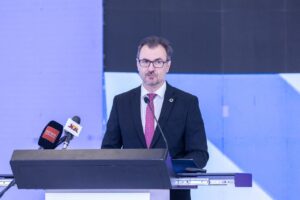
The Coordinating Minister of Health and Social Welfare,
@muhammadpate
, disclosed this at the Third Nigeria Health Sector Joint Annual Review (JAR), held in Abuja, under the theme, “Together to Higher Grounds: Make Reform Data Count”
Prof. Pate attributed the gains to the administration’s commitment to health sector reform through the Sector-Wide Approach (SWAp), which aligns federal and state governments and development partners under One Plan, One Budget, One Report, One Conversation and One Voice.
Highlighting progress in primary healthcare and maternal health, he disclosed that 3,526 primary healthcare centres had been revitalised, with another 900 undergoing work. The government had also recruited 19,758 skilled birth attendants across 22 states, engaged 4,747 community health workers in 10 states and trained 78,054 frontline health workers. Through the Maternal and Neonatal Mortality Reduction Innovation Initiative (MAMII), 750,000 pregnant women had been linked to functional health facilities, while emergency transport services had conveyed 104,566 women and newborns.
On financial protection, he reported that health insurance coverage had increased from approximately 16 million to nearly 24 million Nigerians in three years. Other interventions included reduced dialysis costs for 5,106 patients, subsidies for selected cancer medicines and free 48-hour emergency care across 507 empanelled facilities.
He also highlighted progress in local manufacturing, with ten factories and manufacturing lines commissioned, alongside ₦24 billion in tax waivers for pharmaceutical manufacturers, 12 technology-transfer agreements and a prospective investment pipeline exceeding US$5 billion. Citing Nigeria’s response to the imported Ebola case, he noted improvements in national health security while acknowledging persistent challenges in healthcare affordability, quality of care and equitable access.
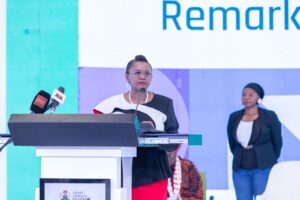
In his remarks, the Minister of State for Health and Social Welfare,
@SalakoIziaq
, identified 2027 as a critical year for consolidating the reforms. He urged stakeholders to ensure that the JAR produced actionable resolutions with clear responsibilities and timelines for integration into annual operational plans.
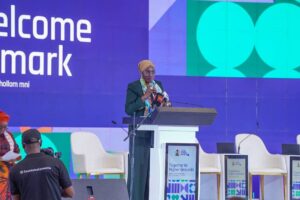
Earlier in her welcome address, the Permanent Secretary, Daju Kachollom S. mni, described the JAR as an important accountability platform for assessing implementation and addressing gaps. She highlighted the completion of Joint Annual Reviews across all 36 states and the Federal Capital Territory, alongside expanded participation in the Health Sector Renewal Compact through local governments, private-sector actors, traditional rulers and faith-based institutions. She reaffirmed the Ministry’s commitment to a resilient and equitable health system that delivers quality and affordable healthcare to Nigerians.
Presenting the three-year implementation assessment, the National Coordinator, SWAp Coordination Office,
@MuntaqaSadiq
, disclosed that ₦249.5 billion had been disbursed through BHCPF gateways under the current administration as of October 2026, compared with less than ₦80 billion in the Fund’s preceding ten years, with the Independent Corrupt Practices and Other Related Offences Commission (ICPC) supporting accountability. He said the 60 per cent reduction in maternal case fatality exceeded the initial 30 per cent target, while obstetric emergency deaths fell by 22 per cent in participating facilities. Findings from the 2026 Mini-Demographic and Health Survey (Mini-DHS) also showed that skilled birth attendance was improving 11 times faster and postnatal checks seven times faster. Free maternal, newborn and fistula programmes had reached almost 100,000 beneficiaries in two years, including 80,906 recipients of emergency obstetric care and 6,059 fistula patients.
Dr. Sadiq further reported that three of six planned cancer centres in Enugu, Benin and Katsina, alongside ten diagnostic and specialist centres, were operational, while more than 500 infrastructure and equipment projects had been completed across 60 federal tertiary hospitals. He called for sustained domestic financing, stronger health workforce capacity and expanded interventions in underserved communities to consolidate the gains.
Ado Bako
Assistant Director, Information and Public Relations