HEALTH
FG UNVEILS FIVE-YEAR STRATEGIC PLAN TO ELIMINATE LEAD POISONING IN NIGERIA

PRESS RELEASE
FG UNVEILS FIVE-YEAR STRATEGIC PLAN TO ELIMINATE LEAD POISONING IN NIGERIA
Abuja, Nigeria | 21 October 2026
The Federal Government has unveiled the Five-Year Strategic Plan on Lead Poisoning Elimination in Nigeria to strengthen prevention, surveillance, regulation and coordinated action against lead exposure across the country.
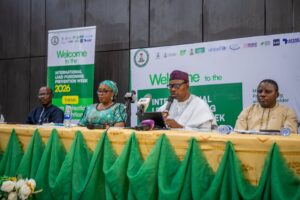
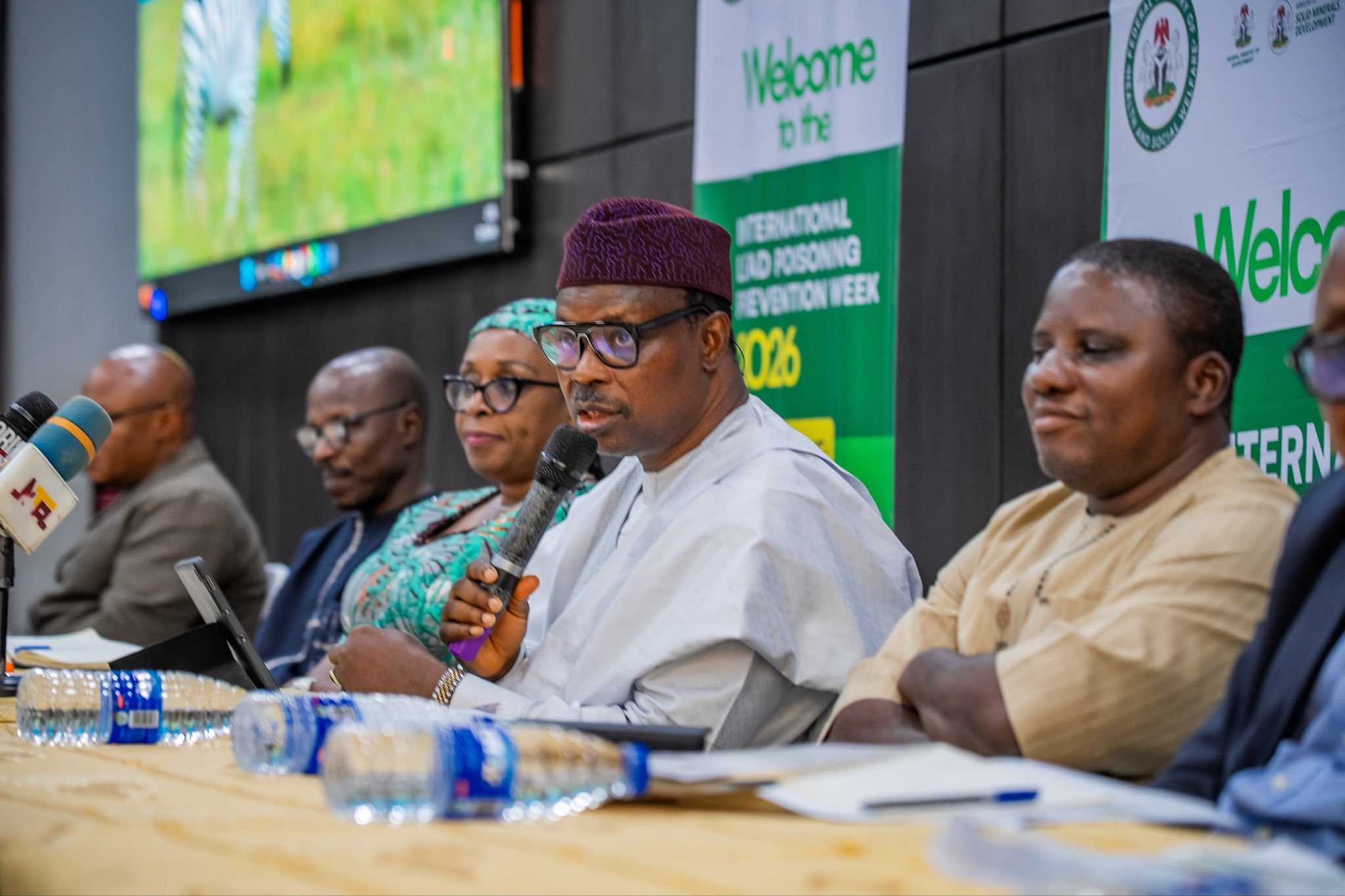
The Honourable Minister of State for Health and Social Welfare, Dr. Iziaq Adekunle Salako, announced this at the commemoration of the 2026 International Lead Poisoning Prevention Week in Abuja, held under the theme, “From Detection to Prevention.”
Dr. Salako described lead poisoning as a significant public health and environmental challenge, noting that children, pregnant women and women of childbearing age are particularly vulnerable to its harmful effects. He stressed the need to move beyond identifying cases towards preventing and controlling exposure at its sources.
According to him, the Plan provides a national framework for coordinated, multisectoral action, including strengthened environmental and occupational surveillance, improved laboratory and institutional capacity, effective regulation and enforcement, and clearer referral pathways for individuals with elevated blood lead levels. A costed three-year national roadmap is also being developed to translate the Plan’s priorities into time-bound and measurable interventions.
The Minister highlighted the establishment and operationalisation of the Inter-Agency Working Group on Lead Poisoning Prevention and Elimination as a key step towards strengthening coordination among relevant Ministries, Departments and Agencies, development partners and other stakeholders.
He also emphasised the importance of state-specific interventions, citing Lagos, Ogun, Sokoto and Zamfara States as priorities for tailored lead prevention and control action plans. The plans are expected to reflect local sources and pathways of exposure while remaining aligned with the national framework. He further underscored the importance of finalising the Lagos State action plan, informed by the state’s completed blood lead level and children’s environmental health assessment.
Dr. Salako called on state governments, development partners, industries, civil society organisations, professional bodies, traditional and religious leaders, communities and the media to support the domestication and implementation of the Plan.
“Communities are central to prevention, and our efforts must extend beyond government institutions to all of society,” he stressed.
The Minister also urged Nigerians to take practical steps to reduce exposure, including avoiding contaminated soil and dust, using lead-safe products, observing appropriate protective measures during battery recycling, painting and other high-risk activities, keeping work clothes and footwear away from living areas, wet-cleaning floors and play areas, and maintaining diets rich in calcium, iron and vitamin C.
Reaffirming the Ministry’s commitment to the national lead poisoning elimination agenda, Dr. Salako emphasised the importance of sustained collaboration in translating evidence into policy and policy into action, in alignment with the Nigeria Health Sector Renewal Investment Initiative (NHSRII) and the Renewed Hope Agenda of President Bola Ahmed Tinubu.
“The Federal Ministry of Health and Social Welfare remains committed to providing the leadership required and working closely with relevant stakeholders to advance a comprehensive, preventive and sustainable approach to lead poisoning in Nigeria,” he said.
Ado Bako
Assistant Director, Information and Public Relations