HEALTH
FG URGES STRONGER IMPLEMENTATION OF HEALTHY FOOD POLICIES TO CURB DIET-RELATED DISEASES

Press Release
FG URGES STRONGER IMPLEMENTATION OF HEALTHY FOOD POLICIES TO CURB DIET-RELATED DISEASES
Abuja, Nigeria | November 23, 2026
The Federal Government has called for stronger implementation of Nigeria’s healthy food policies and greater multisectoral collaboration to address malnutrition, micronutrient deficiencies and the growing burden of diet-related non-communicable diseases.
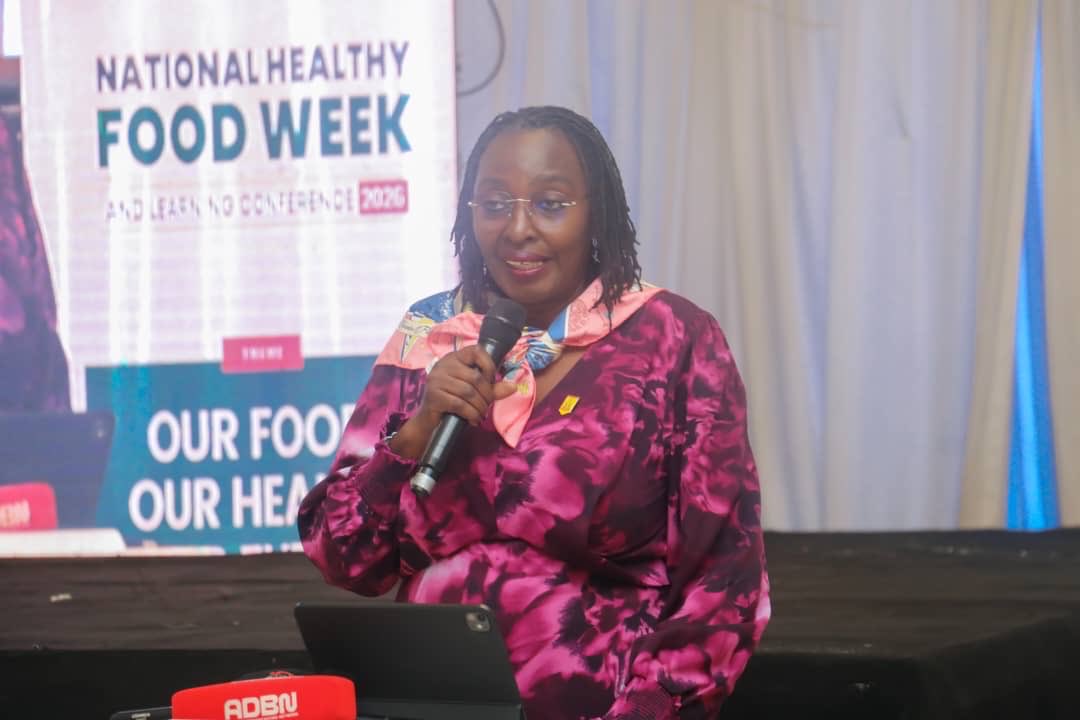
The Honourable Minister of State for Health and Social Welfare, Dr. Iziaq Adekunle Salako, made the call in his keynote address at the opening of the maiden four-day National Healthy Food Week and Learning Conference in Abuja, under the theme, “Our Food, Our Health, Our Future.” He was represented by the Permanent Secretary, Daju Kachollom S. mni.
The Minister noted that healthy diets are fundamental to population health, productivity and national development, stressing that food choices are shaped not only by individual preferences but also by the availability, affordability, safety and nutritional quality of food in markets, schools, hospitals, workplaces and homes.
He highlighted ongoing government interventions, including the Revised National Policy on Food Safety and Quality and its Implementation Plan, the National Guidelines for Sodium Reduction, NAFDAC’s Read the Label Campaign, the development of front-of-pack nutrition labelling and efforts to eliminate industrially produced trans fats, noting that they aligned with President Tinubu’s Renewed Hope Agenda, particularly its Presidential Priorities on Health, and the Nigeria Health Sector Renewal Investment Initiative (NHSRII).
Dr. Salako also identified public food procurement as a strategic instrument for improving Nigeria’s food environment, noting that government institutions provide meals to millions of Nigerians annually through schools, hospitals, correctional centres and other public facilities. He called for effective implementation of the National Guidelines for Public Procurement of Food and Related Services, supported by monitoring, accountability and capacity building.
On fiscal measures, the Minister highlighted the sugar-sweetened beverage tax as an important tool for discouraging excessive sugar consumption and called for transparent allocation of part of the revenue towards nutrition education, healthier food environments and the prevention of diet-related diseases. He further emphasised the need to strengthen regulatory oversight of food fortification while promoting locally available nutritious foods, including fruits, vegetables, legumes and whole grains.
While acknowledging progress in developing policies and regulatory frameworks, he stressed that the priority must now shift towards implementation at scale, with state and local governments, regulatory institutions, the private sector, civil society and communities working together to translate policy commitments into measurable health outcomes. He warned that unhealthy food environments contribute to the growing burden of hypertension, diabetes, obesity, cardiovascular diseases, stroke and kidney disease, with serious implications for healthcare costs and national productivity.
Development partners and civil society organisations reaffirmed the importance of evidence-based policies, stronger regulation and coordinated action to make healthier food choices accessible and affordable. They highlighted excessive consumption of sodium, added sugars and unhealthy fats as significant dietary risk factors, and called for sustained commitment to translating policy frameworks into practical improvements in Nigeria’s food environment. The WHO representative also noted that non-communicable diseases account for approximately 27 per cent of all deaths in Nigeria, underscoring the urgency of preventive action.
The Federal Government remains committed to ensuring that every Nigerian has access to safe, nutritious, affordable and health-promoting food.
Ado Bako
Assistant Director, Information and Public Relations